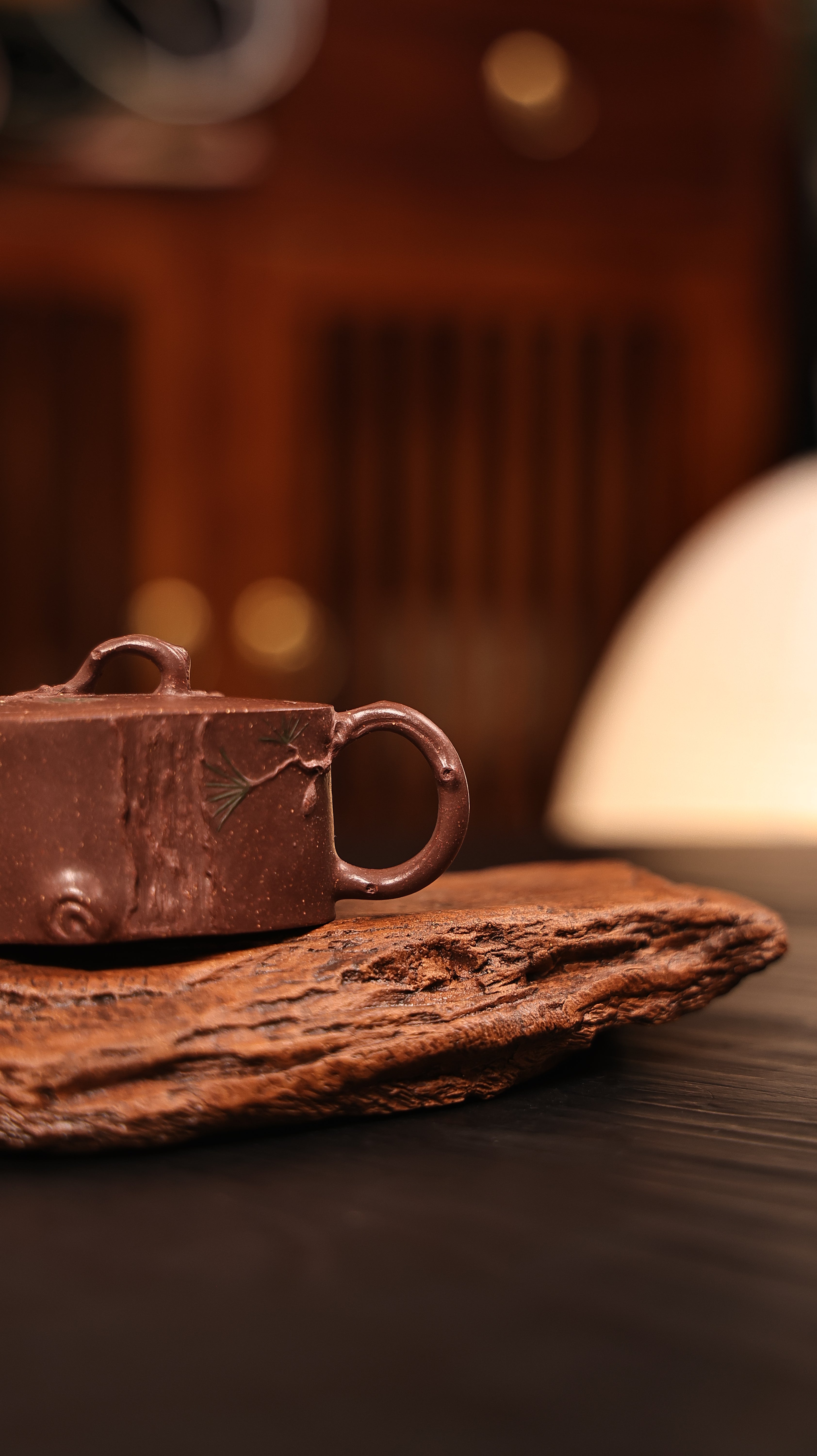
tea lover appealing Chinese artistic clay pot?
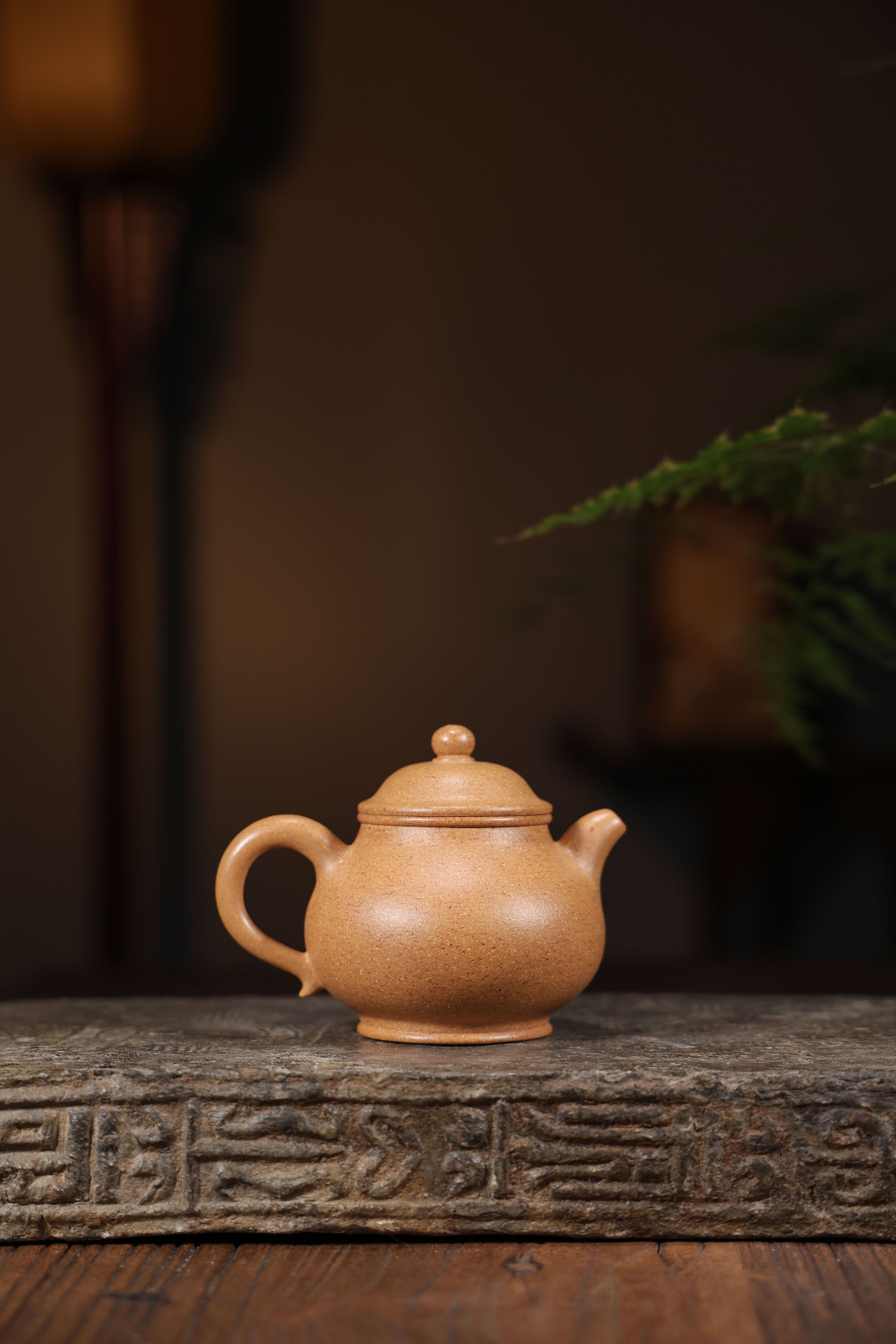
Beginning your thorough survey of Ising Tzu-sa teapots offers one intriguing combination including dexterity in conjunction with functionality.
Yixing 紫砂 clay pots enjoy one exceptional attraction within enthusiasts universally. Particular stunning terra cotta vessels, begun from the singular Yi-hsing province around Jiangsu area, China, represent more than just tea apparatus; they are viewed as works of beauty and cherished significance. Distinct finely sorted clay, known referred to as Zisha, imparts a refined flavor within the tea, and the elaborate designs, often revealing traditional Chinese designs, add to their fundamental value. Owning a genuine Yixing Zisha teapot can be a worthwhile journey, entailing careful examination and an grasp of the manifold factors influencing its uniqueness.
Exploring Yixing Brewing Vessels
Ising vessels boast a rich chronicle deeply interwoven with Chinese customs. Originating in Yixing, Jiangsu region, these vessels are crafted from a unique, porous purple mud found only in that singular location. Their origins began during the Ming period, with master creators refining the skills over generations. Numerous types occur, including the classic Hexiang (resembling crab shells), Zhuni (red-brown hue), and Duan Ni (stone-studded) – each with distinctive characteristics. The cost of an Yixing pottery isn't solely based on its size or decoration, but also on the designer’s reputation, the soil's quality, and the pot’s age and condition. Devotees often seek out older examples, believing Yixing Teapot they enhance the savor of the brew brewed within them over time, further adding to their prominence.- Traditional Teapots
- Rust-colored Teapots
- Granite-Dusted Teapots
Zisha Teapot Mastery: Handiwork & Methods
An creation of Zisha teapots represents a summit of Chinese ceramic art. Expert artisans employ antique techniques, often passed down through lineages, to unlock the full expression of this unique clay. Approaches involve meticulous fashioning by hand, often combined with the twisting method, followed by precise glazing at incredibly potent temperatures in wood-fired kilns. Embellishing is equally crucial; creators utilize unprocessed clay colors and may incorporate sculpting work to depict intricate scenes or patterns, demonstrating a profound insight of the material’s capabilities and capability. The outcome teapot isn't merely a vessel for tea, but a testament to a valuable cultural legacy.
Ancient Pottery: A Insight to Issing Zisha
Discovering the world of Eastern teapots commonly begins with Yixing Zisha. These uncommon clay teapots are constructed from a exclusive type of clay located only in the Yixing region of the Jiangsu district province. Noted for its characteristic reddish-purple hue and fine features, Zisha clay transfers a mild flavor to the tea and enhances with age, turning into a cherished gem. Curating Yixing Zisha earthenware is more than just possessing a lovely object; it’s a commemoration of custom and mastery.
Venturing into certain Ceramics: Sincerity & Progression
Engaging in the world of Yixing Zisha pottery can be truly lucrative, but demands a precise understanding. Genuine Nature is critical; numerous replicas are present, often deceptively made. Learning about traditional tempering styles, identifying material properties, and the inscriptions of trusted craftsmen is utterly necessary. Furthermore, realizing the particulars of the evolution tendency – influenced by causes such as cultural significance and the status of the product – is crucial to profitable investing.
- Scrutinizing heating origins.
- Consulting authorities for confirmation.
- Comprehending auction variations.
Such Practice of Formulating with a Terracotta Teapot
That rare allure of a Zisha equipment lies not just in its stunning appearance, but also in its profound impact on the character of the drink. These traditional clay tea pots, sourced from exclusive regions of China, possess a intrinsic porosity that mildly interacts with the essence and leaves, imbuing the cup with a subtle character. Mastering the approach requires a mindful approach, understanding how the mineral responds to distinct temperatures and botanical types, ultimately leading to a authentically rewarding sampling process.
Yixing Teapot Care: Preserving Personal Jewel
Proper management of your Yixing vessel is crucial to extending its lastingness. These exceptional teapots, crafted from exclusive Yixing clay, form a gradation over eras that elevates their importance. Occasionally rinse the body with soft water, avoiding chemicals, and never use intense scrubbing tools. Some gentle buffing with a delicate cloth can facilitate in removing spots. Allow your brewery pot to thoroughly dry subsequent to each use
Revealing Ceramic: What Such Brewing Vessels Become Singular
The prominent appeal of Yixing teapots lies within the characteristic properties of Stoneware clay, located solely near Yixing, the Yixing district. This distinct clay, composed of ferruginous soil , boasts a peculiar combination of elements that, after aging, receive the flavor of the infusions it houses. This generates a one-of-a-kind fragrance for each pot, transforming it a merit far beyond its original price and adding to their valued status among experts.
Hunting for the Optimal Traditional Carafe: A Pottery Guide
Venturing into the world of Zisha clay teapots can feel daunting, but understanding the essentials is crucial to identifying a cherished piece. This variety of clay, sourced predominantly from the environs of Yixing, the province of Jiangsu, is known for its special feel and ability to augment the essence of the beverage over age. Reflect on the configuration, the saturation, and the overall aesthetic; a genuine Zisha teapot is more than just a receptacle; it's a craftwork and a signifier of eastern culture. Inspect the inscription of the maker for clues to its provenance and potential worth.