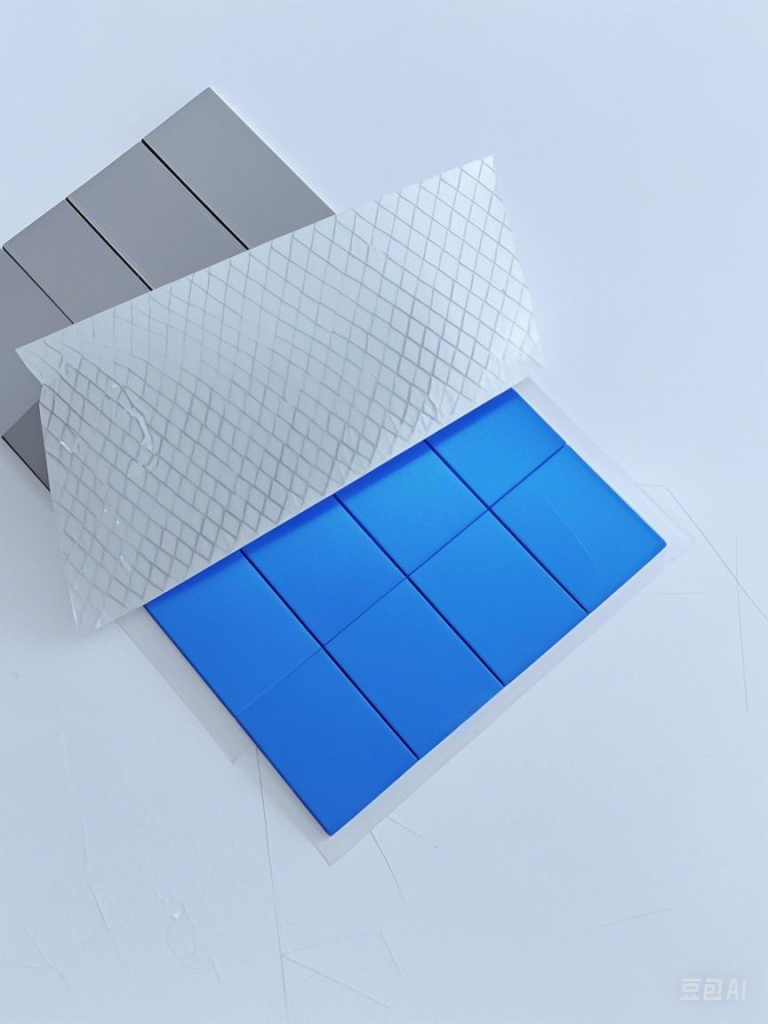
advanced eco-friendly innovative thermal conduction film glue?

Within the rigorous sphere of electrical casing protection, sealants featuring acidic traits are recognized as effective answers as a result of impressive cling characteristics and resistance to severe settings. They construct firm barricades repelling dampness, corrosion, and dirt. Likewise, their harmonization with diverse substrate kinds augments application sectors.
- Even so
- difficulties remain
- about acidified sealing compounds.
The barriers involve impacts on component robustness and concerns regarding extended stability during use. Comprehensive investigations and optimization seek to address those matters and bolster acid-containing sealant capability for circuits
Cutting-edge films enhancing thermal regulation in device hardware
Within the swiftly advancing electronic industries, dissipating excess heat has gained critical focus. Because electronics become tinier and yet carry higher loads, controlling heat growth is necessary. Next-generation thermal films ensure optimal energy diffusion with elasticity. These specialized layers readily integrate into circuits and components, facilitating efficient thermal escapes. Their deployment within smartphones, notebooks, and wearable tech holds promise for better battery runtime, optimized throughput, and sustained reliability even under taxing conditions.
- Heat-spreading films allow tuning for exact thermal management through composition and layer adjustments
- Embedding conductive sheets into manufacturing procedures is generally uncomplicated and seamless
- Continuous refinement pushes thermal membrane excellence while broadening practical implementations
Sophisticated PSDM Methods Strengthening Product Durability
Within advancing technological spheres, guaranteeing gadget reliability remains crucial. Techniques such as PSDM provide disruptive mechanisms managing urgent demands. The system affords companies insight to surveil performance upfront, reveal potential damage, and activate swift upkeep. This predictive focus critically lowers outage duration, enhances work rates, and grows apparatus life.
Silicone Polymers Featuring Electrical Connectivity
This blend fuses silicone's pliancy and electrical conduction. Targeted towards circumstances requiring combined electricity and heat direction. Additionally, durability versus elevated temperatures, humidity ingress, and sunlight exposure supports diverse industrial and personal uses
- Typically utilized in electronic equipment, car making, and healthcare fields
Superior Acidic Sealants Designed for Challenging Conditions
Domains struggling with continual wear need durable seals. The cutting-edge acid sealer delivers exceptional protection versus corrosive chemical influences. Formulated using resilient elements, the solution sticks tightly to diverse bases, providing sustained defense under aggressive acid conditions
- Primary characteristics cover barrier formation, temperature resistance, and extended usage duration
Choose our premier acidic sealing solution for assured performance in critical environments
Heat Conductive Sealants Improving Temperature Regulation
In the sectors combining electronics and cooling systems, thermal sealants act as essential elements for managing internal warmth. These sealers demonstrate outstanding thermal transfer properties, ensuring fast evacuation of leftover heat from circuits. Building firm attachments coupling equipment to cooling infrastructure, these materials alleviate thermal fluctuations. This leads to superior operation, steady reliability, and extended device endurance via temperature regulation.
Determining the right thermal transfer sealant rests on attributes including temperature limits, material interface, and bond requirements. Development in conductive materials persistently optimizes heat flow, enabling tinier and efficient thermal control
Superior Adhesion Qualities of Silicone Conductive Sealants
Conductive silicone sealers demonstrate strong attachment to various material types guaranteeing stability. Superior adhesion ensures stable electron conduction and averts detachment issues. Constituent elements involving silver micro-particles or carbon black promote firm adhesion to metals, plastics, and glass. Reliable attachment heightens overall performance and lifespan by defending devices from vibration, heat, and moisture exposure.
Evaluating Acidic Sealants for Semiconductor Usage
Deciding on sealants for semiconductor contexts depends greatly on substrate compatibility. Though acidic sealants offer benefits like superior adhesion and strong grip, they can pose risks to delicate semiconductor parts. Exhaustive experiments and critical appraisal maintain safety of semiconductor elements when applying acidic sealers.
Considerations of pH value, treatment span, and surrounding temperature sway performance and sealant-material interface. Executing detailed analyses preserves sensitive semiconductor substrates against degradation provoked by acid compounds
Importance of Conductive Films in Electronics Fabrication
Conductive films deliver imperative roles in streaming electrons inside device production. These substances allow smooth electric flow, facilitating uninterrupted function of complex electronic components. Utilizations cover flexible electronic panels, thin-film transistors, sensory devices, and microelectronics. Superior current conduction alongside minimal thickness fits growing demands in electronics design and manufacturing
The features of conductive sheets undergo accurate calibration to align with diverse application criteria. Demonstrating fine-tuning involves regulating charge flow to obtain best efficiency and device functionality. Besides this, the films install on components including plastic, silica, and metals facilitating versatile assembly and structural techniques
- Attributes include adaptability, lightweight construction, and affordable application methods
- They are increasingly integrated into devices such as smartphones, laptops, and wearable electronics
- Forthcoming changes revolve around transparent, elastic, and self-restorative conductive membranes with superior conductivity
Examining PSDM Against Standard Bonding Procedures
Surface joining techniques commonly compare PSDM with standard methods. This article addresses evaluation and contrast revealing benefits and drawbacks. PSDM achieves speedy and precise application tailored to fragile materials. Unlike PSDM, conventional approaches depend on mechanical procedures often granting strong bonding but slower rates
- Central merits of PSDM underline malleability and user-directed installation
- Traditional bonding often provides greater strength especially for heavy-duty jobs
Upcoming Patterns in Acidic Sealant and Conductive Film Sectors
Innovations in acidic sealants and conductive coatings are projected Conductive Film/thermal Conductive Sealant to make wide impacts. Central trajectories target advancements promoting resilient sealants tailored to severe environments. Concurrently, efforts intensify toward conductive membranes with enhanced efficiency for broader uses like bendable electronics, sensors, and energy harvesting.Collaboration combining researchers and industry players acts pivotal in driving forward innovations. Together, this strategy promotes acid-film and conductive product progress matching varied commercial sector requirements