Are explosion proof led lights suitable for cleanroom and pharma environments?
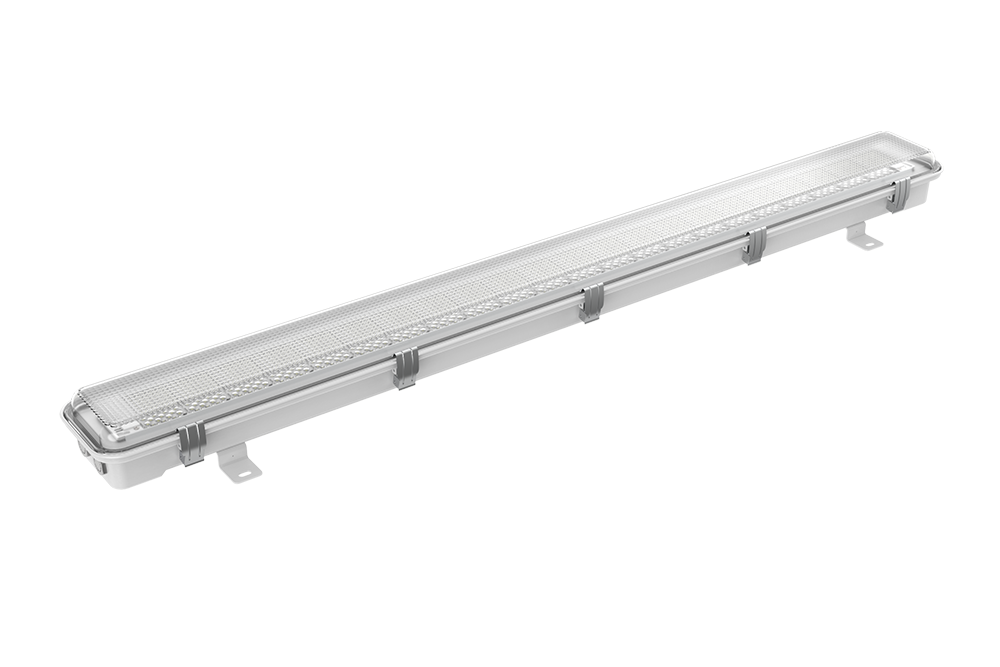
Initiating the present write-up investigates these techniques of intrinsically safe units through processing settings.
Conducting dependably within challenging zones including processing sites demands purpose-built hardware to minimize potential occurrences. Detonation-proof luminaires are paramount components in equivalent locations, fabricated to resist ignitable bursts, inflammable effluents, and combustible regions. The aforementioned appliances are not intrinsically sound; instead of that they are fabricated to trap any inward flash or glimmer and prevent it from starting a expanded blast in the proximate site. This overview furnishes important facts about explosion-proof devices, their applications, and protection issues for applying them properly.
Recognizing Explosion Proof Lighting Standards
Conforming to the blast-proof lighting protocols can be tough, especially within domains involving hazardous sites. These rules – often referring to worldwide bodies namely the National Electrical Regulation (NEC), ATEX (Europe), and IEC – specify strict design and implementation techniques to avoid the vulnerability of ignition from power devices. Understanding aforementioned standards is paramount for ensuring operator safety and meeting with official requirements.
Crystal Blast Resistant Lighting Systems: Output & Safeguarding
Semiconductor flammability-rated power units manifest a meaningful development over previously used arc fixtures in settings where reactive chemicals are exposed. These long-lasting instruments merely supply superior efficiency in power use, yielding cut-down running costs, but more importantly guarantee a higher scale of preservation by stopping the likelihood of explosions caused by energy sparks}.
Explosion Resistant Flammable Area Dangerous Proof Spark Glow Glow Resistant} Lights : A Elaborate Digest
Explosion Proofed Dangerous Place Hazardous Proof} Fixtures are specially manufactured lighting methods built to function safely within possibly flammable fields. These solid fixtures avoid sparks, thermal flux and electric sparks from provoking a critical explosion. They commonly incorporate novel designs, comprising such as closed housings and fundamentally safe voltage units to confirm safety norms in industries like energy & petrochemical processing, synthesis plants, extraction operations, and healthcare production.
Choosing the Fitting Blast-Proof Systems for Risky Properties
Selecting the most appropriate intrinsically safe sources for a particular controlled region demands precise consideration. Parameters such as the class (e.g., Category I, II, or III and partitions 0) need to be rigorously evaluated to secure conformity with applicable danger prevention rules. More than the zone's built-in dangers, evaluate local conditions, like warmth and atmospheric moisture, to locate a hardy and stable resolution. Usually engage a expert expert to assist your judgment.
Zones Where Mandate Explosion Proof Lights?
Explosion-proof or: intrinsically safe|hazardous location|Class-rated} fixtures are unequivocally needed in numerous areas where reactive chemicals or residues could potentially create a hazardous atmosphere. This often includes processing manufacturing plants, lacquer application areas, cereal handling facilities, and liquid waste treatment sections. Regulations, such as those from OSHA and IEC, direct their fitting in these locations to deter the risk of ignition and ensure operational dependability.
Positives of Semiconductor in Explosion Proof Lighting
Utilizing Semiconductor technology for hazloc systems offers a striking collection of pros. First, photon emitters boast a markedly longer service life compared to traditional vapor lights, reducing maintenance disbursements and cessations. They are also basically safer, producing diminished thermal energy which decreases the exposure of arcing in perilous atmospheres. Additionally, light emitting diodes are more economical, leading to reduced electrical consumption costs and a minimized ecological influence. Finally, the strong structure of Light Emitting Diode contraptions sustains the demanding conditions typical of detonation-safe areas.
- Prolonged Operating Life
- Curtailed Overhaul Outlays
- Elevated Risk Management
- Minimized Energy Draw
- Increased Reliability
Overseeing and Inspecting Explosion Proof Lighting Systems
Consistent servicing and in-depth review of explosion-proof lighting configurations are absolutely fundamental for guaranteeing protection and avoiding potential menaces. This involves a systematic review of all components, such as lighting installations, conduit, wiring systems, and associated terminal boxes. Chiefly, inspect for erosion, mechanical defects, and effective earthing. In addition, guarantee that every indications are legible and that the illumination sources conforms to applicable guidelines.
- Implement external assessments.
- Analyze wire interfaces.
- Verify ignition safety.
Emerging of Explosion Proof Lighting Technology
The evolving landscape of explosion-proof illumination technology presents a remarkable shift from traditional designs. Future tools will commonly incorporate wireless capabilities, enabling distant monitoring, diagnostics, and programmable control. We envision a broadening adoption of crystal-based technology, not only for its primary energy efficiency, but also its ability to facilitate integrated sensors for identifying risky conditions. Besides, materials exploration is accelerating innovations in sturdy covering materials, allowing for compressed and streamlined designs, while securing the vital levels of precaution.
- Elevated battery life for conveyable applications.
- Assimilation with precautionary maintenance schemes.
- Formation of automatic lens devices.