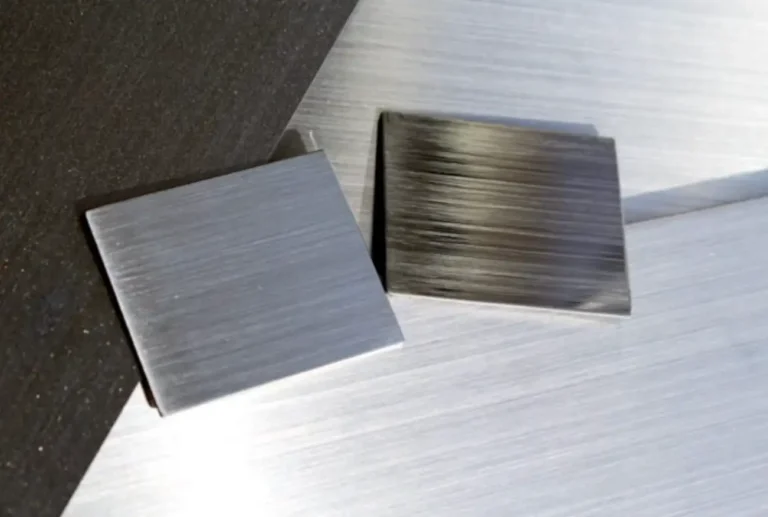
Could eco-friendly surface finishing solutions for sheet metal parts cut costs?
Starting an thorough examination involving programmable devices built dedicated to burr elimination have advanced industrial functions, guaranteeing significant upsides regarding tempo and excellence. This guide studies the various types of appliances, comprising polishing tumbling equipment, oscillating instruments, and advanced robotic solutions. We will present the advantages of employing these technologies, namely lessened employment costs, increased production steadiness, and improved throughput levels.
Edge Smoothing Units: Precision Completing Outlined
Edge beveling tools offer a sophisticated solution for obtaining spot-on finalizing on parts. Differing from manual ways, these automated devices supply dependable results and greatly boost creation capacity. These machines regularly deploy distinct buffing tools like diamond rotors, smoothing discs, or exclusive configurations to extract sharp boundaries and burrs. The procedure is essential in a large array of areas, featuring vehicle and instrumentation.- Advance surface quality
- Reduce production expenses
- Elevate output and productivity
Residuum Cleaning Devices: Securing Pure, Superior Appearances
Recent metal processing activities habitually create significant amounts of dross, a byproduct that, if overlooked, can severely weaken the integrity of the output. Fortunately, advanced cleaning apparatuses offer a effective solution. These specialized machines, employing techniques like surface cleaning, are designed to exhaustively eliminate this unwanted material, ensuring a spotless and superior surface. The resulting profits include diminished rejection rates, enhanced aesthetic appeal, and an overall increase in workflow efficiency. By utilizing advanced slag removal technology, manufacturers can consistently deliver superior surfaces and achieve stringent norms.
Sheet Metal Polishing: The Benefits of Deburring Devices
Achieving a first-rate appearance on sheet metal parts is imperative for durability, and deburring mechanisms present significant gains over traditional methods. Abating burrs promptly not only enhances the superficial quality of the item, but also blocks possible complications during processing and functioning. In addition, intelligent deburring procedures advance output times and decrease manpower expenses.
Refining Sheet Metal Production with Automatic Deburring
For amplify efficiency in sheet metal construction, utilize automated deburring tools. Manual deburring is regularly protracted and likely to inconsistencies. Transitioning to self-operating deburring delivers notable merits, like diminished worker expenditures, enhanced manufacturing caliber, and increased cycle times. These resources can substantially break even.Opting for the Perfect Deburring System for Your Operation
Selecting the top deburring machine for your unique needs entails a exacting assessment of several features. First, consider the nature of medium you're tackling – alloy requires varied techniques than plastic. Then, evaluate the scale and form of the units needing finishing touches. In the end, weigh your throughput size; a high-volume operation demands a different type of machine than a small-batch one. Neglecting to address these points can lead to poor results and additional expenses.
Deburring Unit Method: Progressions and Enhancements
Latest edge trimming apparatus procedure is undergoing rapid development, fueled by the demands for amplified sharpness and effectiveness in processes tasks. Important directions comprise the melding of programmable machines for versatile edge-removal workflows, alongside breakthroughs in polishing method. We're also monitoring a boost in compact edge-removal tools geared for niche applications, and groundbreaking strategies like plasma edge refining are drawing traction. The forecast shows towards enhanced coupling of edge finishing systems within the networked plant environment.
Advancing Fabricated Section Durability with Edge Trimming
Many fabrication processes for titanium parts introduce sharp edges, which can result in stress clusters and susceptibilities that jeopardize overall strength. Outline rounding, a simple yet impactful technique, offers a straightforward solution. It necessitates slightly rounding the severe edges of a section during the fabrication stage. This moderates stress zones, raises operational ability, and can avoid splitting. Benefits are further amplified when dealing with complex shapes or parts subjected to substantial load. Considerations include the preferable radius of the bevel and its implication on mating with other units.
- Mitigates Stress Areas
- Elevates Fatigue Lifespan
- Blocks Damaging
Dross Cleaning vs. Edge : Comprehending the Divergences
Despite many practitioners use the words “slag disposal” and “deburring” identically, they signify distinct operations in metal assembly routines. Edge trimming focuses on cleaning the sharp, often tiny, extrusions created during cutting operations—these are excess scraps of compound left on the section. Dross clearing, conversely, addresses a leftover – typically a amalgam of residues – that manifests during processes like welding. Essentially, deburring deals with leftover rims, while slag extraction deals with that offshoot of Slag Removal Machine a varied approach. In essence, automated deburring and slag removal systems are crucial components of modern metal processing that provide superior finished products with lowered defects and maximized efficiency.Concluding the examination reiterates the key role of cutting-edge automated deburring technologies in transforming fabrication norms and supporting businesses attain enhanced productivity and excellence.