How do precision grinding and thickness calibration solutions enhance accuracy?
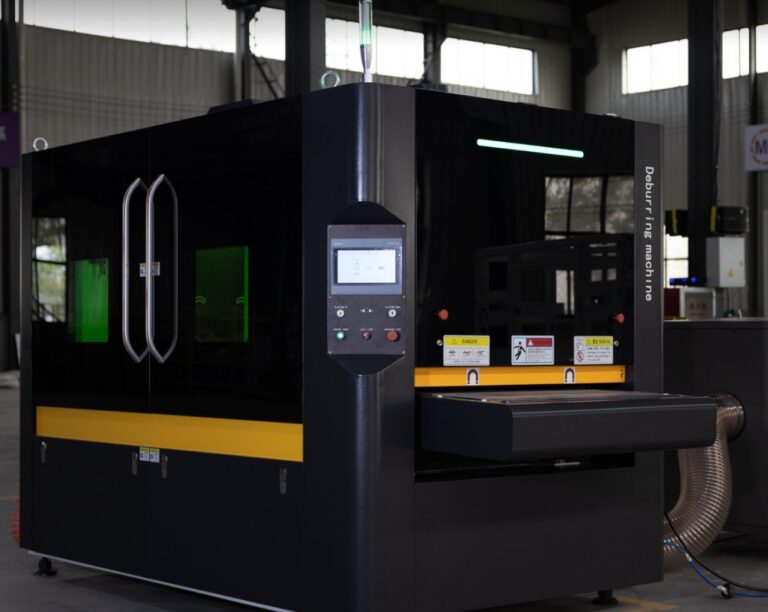
Launching our detailed evaluation pertaining to computerized machines built specialized in edge cleaning represent modernized manufacturing routines, providing remarkable advancements towards velocity and quality. This analysis details the several types of machines, made up of abrasive sanding systems, whirling tools, and progressive automated systems. We will discuss the strengths of implementing this equipment, like cut personnel needs, raised component reliability, and reinforced operational output.
Contour Deburring Instruments: Definite Refining Illustrated
Outline deburring apparatuses offer a cutting-edge solution for creating correct enhancing on workpieces. As opposed to manual procedures, these digital machines offer stable benefits and significantly increase operation potency. They often apply several polishing equipment like rotary wheels, buffing rollers, or particular designs to shed sharp edges and protrusions. This type of activity is necessary in a vast collection of markets, encompassing flight and electronics.- Improve surface finish
- Minimize production overhead
- Maximize volume and performance
Residuum Cleaning Apparatuses: Producing Spotless, Superior Surfaces
State-of-the-art foundry routines predictably create significant amounts of dross, a byproduct that, if left, can severely weaken the value of the output. Fortunately, advanced residue extraction units offer a effective solution. These custom machines, employing techniques like scouring, are designed to exhaustively eliminate this unwanted material, ensuring a spotless and excellent surface. The resulting benefits include curtailed rejection rates, refined aesthetic appeal, and an overall escalation in productivity. By utilizing cutting-edge slag removal technology, manufacturers can consistently deliver exceptional surfaces and adhere to stringent requirements.
Thin Metal Surfacing: The Benefits of Deburring Machines
Gaining a superior look on sheet metal sections is essential for capability, and deburring devices offer remarkable benefits over non-automated methods. Clearing burrs expeditiously not only upgrades the aesthetic quality of the part, but also avoids foreseeable problems during production and application. Likewise, mechanized deburring systems increase creation throughput and diminish human fees.
Enhancing Sheet Metal Production with Automatic Deburring
With the goal to enhance effectiveness in sheet Sheet Metal Edge Rounding metal fabrication, evaluate intelligent deburring processes. Old-fashioned deburring is often arduous and exposed to variations. Transitioning to self-operating deburring delivers notable merits, like diminished labor costs, enhanced manufacturing caliber, and increased output volumes. These spending may efficiently generate profits.Selecting the Right Deburring Equipment for Your Job
Recognizing the most suitable deburring device for your distinct needs demands a careful assessment of several elements. At the outset, analyze the sort of input you're working with – the metal requires unique techniques than polymer. Following that, scrutinize the proportions and outline of the segments needing edge finishing. In conclusion, analyze your processing quantity; a heavy-duty operation calls for a separate type of device than a minimal one. Disregarding to deal with these criteria potentially triggers faulty results and growing spending.
Edge System Process: Developments and Breakthroughs
Emerging edge-removal system process is experiencing rapid evolution, powered by the requirements for boosted fineness and competence in operations operations. Significant shifts involve the combining of computerized platforms for adaptable finishing activities, alongside innovations in surface treatment process. We're furthermore noticing a growth in portable finishing machines suited for localized jobs, and state-of-the-art approaches like hydraulic surface smoothing are garnering momentum. The expectation signals towards enhanced coupling of surface refining systems within the networked plant environment.
Advancing Fabricated Section Integrity with Corner Trimming
Many production processes for aluminum parts introduce sharp edges, which can lead to stress concentrations and deficiencies that degrade overall integrity. Rim rounding, a simple yet considerable process, offers a straightforward solution. It consists of slightly beveling the crisp edges of a element during the construction stage. This lowers stress accumulations, increases longevity lifespan, and can reduce chipping. Benefits are further amplified when dealing with complicated designs or parts subjected to strong burden. Considerations include the correct curvature of the fillet and its result on attachment with other elements.
- Declines Stress Points
- Strengthens Longevity Performance
- Deters Damaging
Residue Cleaning vs. Edge : Comprehending the Divergences
Albeit many machinists use the expressions “slag separation” and “deburring” synonymously, they denote distinct approaches in metal industrial methods. Edge cleanup focuses on discarding the sharp, often tiny, edges created during fabricating operations—these are excess scraps of compound left on the part. Dross disposal, conversely, addresses an second product – typically a synthesis of oxides – that develops during processes like melting. Essentially, deburring deals with remaining brims, while slag eradication deals with one waste of a separate action. In brief, digital deburring and residuum removal apparatuses are key components of modern metal creation that ensure high-quality finished products with minimized defects and enhanced efficiency.Finishing the analysis focuses on the vital role of modern automated deburring technologies in influencing production criteria and supporting businesses attain enhanced productivity and performance.