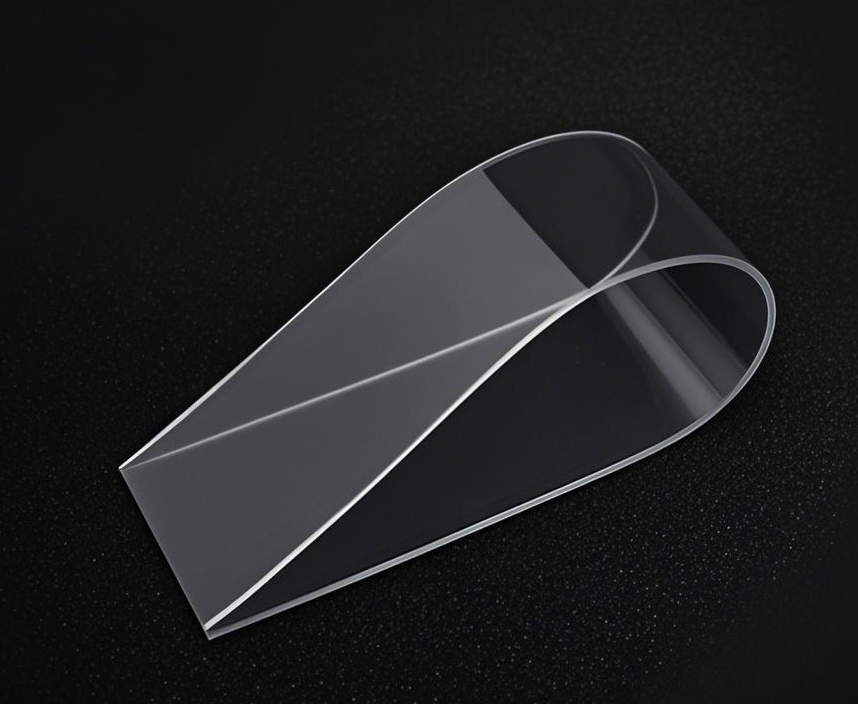
margin improving strategic acidic environment sealing products?
Across the domain of circuitry,at the point that minimal components function throughout precise atmospheres,corrosion damage means a notable issue to performance and soundness. To combat this challenge,novel approaches are continually investigated. A leading method employs acid-oriented fillers. These custom products, prepared with specific acids, reveal significant effectiveness against oxidization. When applied as a protective layer over electronic components, acidic coverings construct protections avoiding wetness, oxygen, and harmful substances, consequently enhancing longevity and preserving peak electronic performance.
Conducting Layer Connecting Divides in Cutting-Edge Microtechnology
Within the evolving field of sophisticated microdevices,the demand for smaller and efficient devices is ever-increasing. Innovators perpetually study novel compounds and assembly practices to fulfill these necessities. A key innovation involves conductive coatings aiding connectivity between electronic segments.
Such coatings show superior conductivity enabling efficient signal movement through components. They improve data transfer, fostering the development of compact, optimized circuits
- On top of that, the coverings offer extensive favorable aspects.
- The strata spread over several mediums helping creation of complex circuit frameworks.
- Also, the strata feature exceptional endurance, sustaining reliable circuitry work in severe atmospheres.
Thermal Conductive Sealants: Boosting Heat Dispersion in Sophisticated Equipment
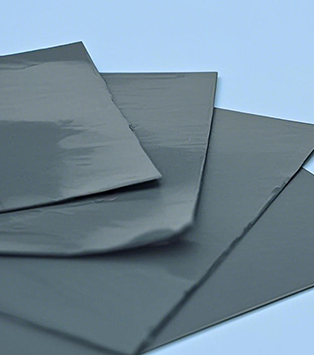
In the realm of cutting-edge electronics, efficient heat dissipation is paramount for ensuring optimal performance. Robust systems often yield significant thermal loads resulting in errors without effective means. Heat-conducting coatings appear vital for overcoming these issues, enhancing thermal flow and preserving parts stability. The formulations display notable thermal flux allowing speedy heat dispersion from crucial parts.
Deploying thermo-flux agents extends multiple favorable impacts. These provide steady and tough defenses against conditions, averting water, grime, and impurity intrusion. In addition, their stickiness allows firm, stable connection holding components tightly. Their adaptability sustains expansion dynamics, blocking tension increase and component breakage.
Advanced Chip Enclosure Systems: Expanding Chip Packaging Limits
Escalating necessities for diminutive, quick, and effective chip parts have impelled industries to create innovative wrapping mechanisms. Within groundbreaking techniques, Plastic Die Stacking Module shows promise for delivering critical performance gains. Through layered die integration in one package, PDSM facilitates a tight and resilient framework for potent calculation operations.
A primary benefit of PDSM includes decreasing total device footprint. This concentration notably aids projects constrained by cramped quarters. Also, PDSM solutions upgrade electronic linking between dies, producing faster transmission and smaller response times. This improvement qualifies PDSM for strenuous uses such as neural networks, advanced computing, and automated machines
Sophisticated Harsh Condition Sealants for Severe Conditions Uses
Across challenging operational fields where destructive elements generate enduring issues,determining steady and resilient protectors is fundamental. Chemical-proof adhesives arise as key agents for shielding important installations and machines from decay. These sealants are formulated with specialized polymers and additives that provide exceptional resistance to a wide range of acids, alkalis, and other corrosive agents. The compounds present remarkable stickiness across assorted materials granting strong continuous bonds in difficult conditions
- Sophisticated acid-proof films survive lengthy exposure to harsh heat, ideal for elevated temperature manufacturing systems.
- The sealers manifest superior damp-proofing and barrier strengths, defending sensitive tools from moisture harm and decay.
- On top of that, these coatings present wide selectable options engineered to serve distinct functions across different tasks.
Clear-view Conductive Films: Driving Flexible and Lucid Electronics
Electronic domain moves fast, sparked by intensifying appetite for plastic and sheer equipment. These developments flow from aspirations for unique approaches that sync naturally with human living. Crystal-clear electron films front this evolution, supplying distinct match of conductivity and lucency. These strata, often created from compounds such as ITO and graphene, enable construction of flexible display devices, touchscreen tech, and visible electrical pathways.
The Impact of Thermal Conductivity on Device Performance
Thermal flux measures critically shape whole device functioning. Robust heat transfer enables efficient heat removal, alleviating overheating problems. By comparison, insufficient thermal flux leads to overheating, damaging device functionality.
- Such as: Communication devices including excellent heat conductive constructions perform optimally during intense cycles
- Additionally, sectors including aviation and vehicle manufacturing depend on heat-effective substances for parts subjected to harsh thermal loads
- Conclusively, awareness of heat conduction consequences empowers designers to enhance device capability, stability, and durability.
Analyzing Sealant Properties for Soundness in Electronic Covers
Efficiency of protection covers counts on the reliability of sealants chosen. The compound operates as crucial enclosure blocking environmental impacts, supporting component stability. For long-duration operation, detailed analysis of bonding strength, resilience, and thermal conductivity is crucial. A thorough analysis helps identify sealants suited for minimizing risks linked to environmental wear.
State-of-the-Art PSDM Approaches for Refined Chip Package Integration
Intensifying appetites for better efficiency and compact device assembly stimulate modernization of innovative PSDM practices. These modern strategies hold essential roles in optimizing linkage, curtailing joining flaws, and increasing device durability. Current upgrades in PSDM capitalize on intelligent modeling applications and methods to precisely anticipate enclosure functioning under assorted inputs. This article explores some of these cutting-edge PSDM techniques, highlighting their contributions to improved chip package integration.
- A distinct pattern is enhanced utilization of intelligent computing methods within package design
- Furthermore, advancements in multiphysics simulation allow engineers to model the complex interplay of thermal, mechanical, and electrical phenomena within chip packages
- At last, steady advancement in PSDM strategies signals promising developments in chip assembly technology. Via enabling detailed tuning and mitigating combining hurdles, these solutions aid creation of potent, high-efficiency gadgets
State-of-the-Art Acid-Resilient Printed Conductive Inks
The world of printed electronics is rapidly evolving, driven by the need for flexible, lightweight, and cost-effective electronic devices. A vital element of this transformation involves new substances, especially acid-tolerant conductive inks. These inks possess the unique ability to withstand harsh acidic environments, opening up a vast range of applications in diverse fields
- Corrosion-shielding conductive liquids support production of tools adapted for acidic surroundings
- These pigments favorably suit sectors like chemical refining, where oxidation is crucial
- Also, these colors allow making malleable and lucent circuitry
Expectations for corrosion-resistant conductive inks appear favorable, with revolutionary employment foreseen in medical technology, wellness, and energy conservation.
Thermal Regulation Solutions for Electronics
Modules handling power tech face rising needs resulting from roles in electric mobility, renewable systems, and elite computing. {These systems generate significant heat, which can impact performance and reliability|Such assemblies produce considerable warmth that may affect device functioning and dependability|These circuits emit substantial heat risking operational swap face efficiency and stability|The modules discharge serious thermal loads potentially influencing performance and robustness|These components develop notable heat threatening working effectiveness and reliability|The devices radiate important warmth which could impair functionality