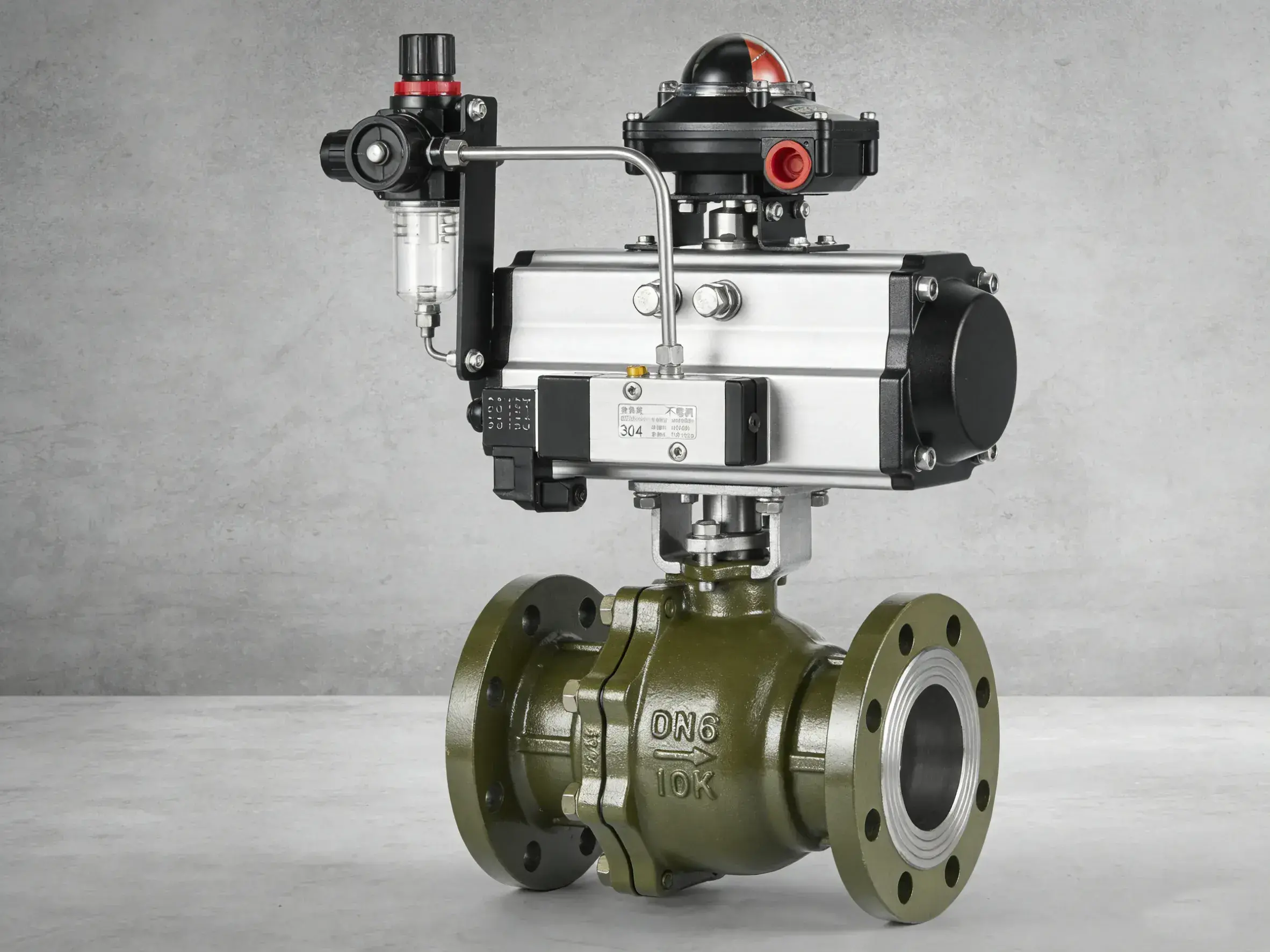
operation ready world market oriented valve families?
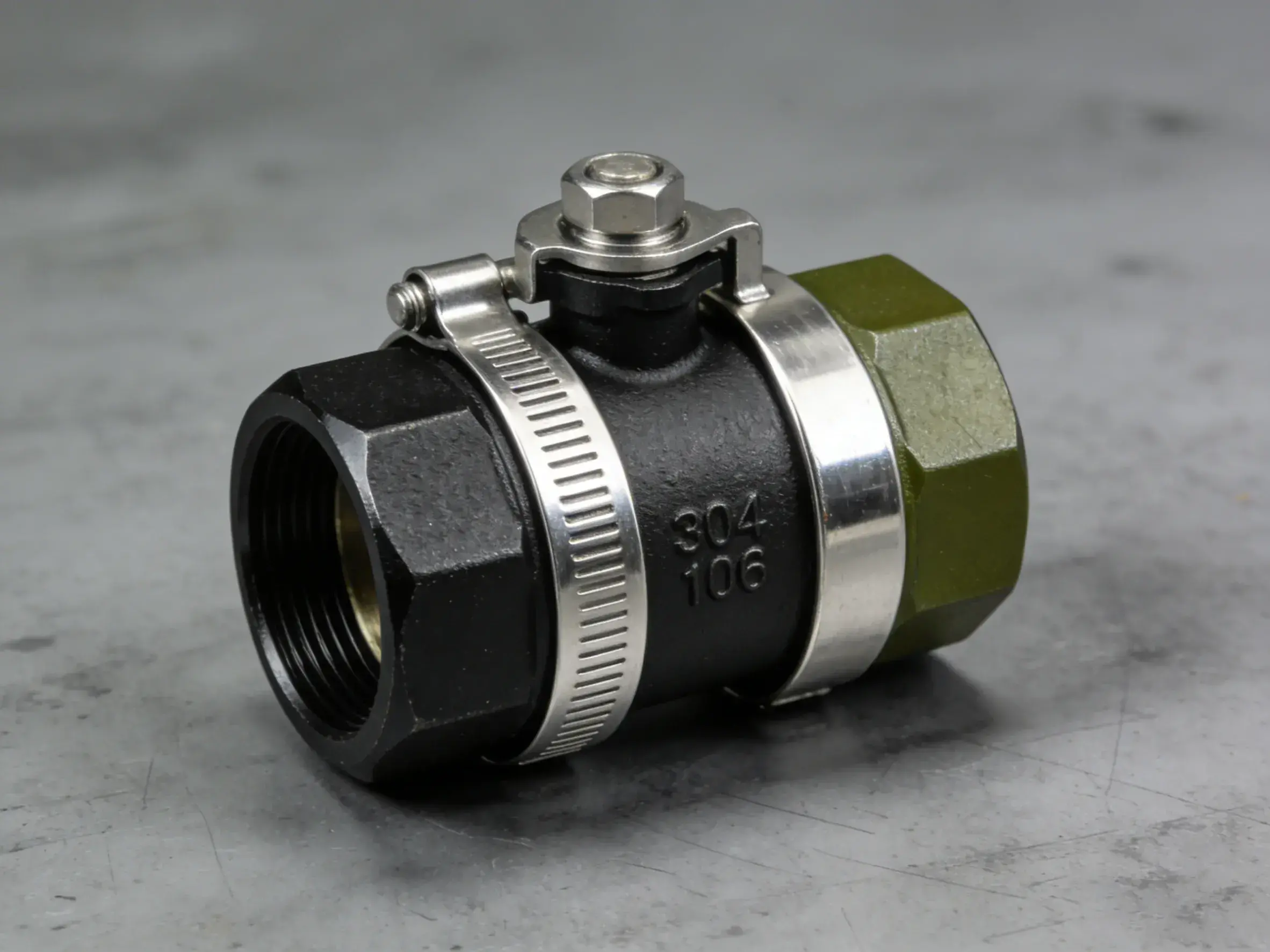
Fundamental industry valve selection improves process performance and complete system functionality. To ensure optimal operation, you should carefully select valves that adhere to your process requirements.
A detailed valve selection manual must evaluate a scope of elements like fluid characteristics, pressure ranges, thermal conditions, discharge velocity, and regulatory necessities. Besides, determining the preferred valve activation system, for example pneumatic, hydraulic, or electronic, is critical.
In-Depth Study of Butterfly Valve Efficiency
Identifying key effectiveness indicators for butterfly valves is vital for experts aiming at dependable and efficient system operation. Research assesses crucial variables determining butterfly valve capabilities, factoring composition characteristics, performance background, and inspection protocols. By in-depth analysis of such features, the content tries to furnish a full understanding of variables aiding butterfly valve success.
- Construction features decisively dictate full functionality
- Fabrication materials of valve housing markedly govern robustness during assorted functioning circumstances
- Flow impedance represents a critical factor reviewing butterfly valve operation, chiefly when facing substantial flow loads
Usage of Ball Valves in Elevated Pressure Situations
Ball valves are recognized as dependable options for controlling intense pressure scenarios. Their straightforward construction features a rounded sphere with an opening that spins to regulate liquid movements. This construction effectively handles high-pressure conditions thanks to its tight sealing.
In realms like natural resource industries, ball valves perform a key duty in operating increased pressure pipe networks. Their robustness qualifies them as fit to resist the impact of raised pressure elements.
- Moreover, ball valves feature fast response time, enabling prompt flow adjustment.
- Available in various materials and magnitudes, ball valves tailor to conform to specialized conditions of numerous substantial pressure circumstances.
Grasping Various Valve Classes and Their Purposes
In fluid engineering, valves bear a significant responsibility steering movement of liquids and gases. Deciding on applicable valve model is necessary to maximize performance. Valves are grouped according to their working basis, architecture, and intended purpose. Widely used valves involve gate, globe, check, ball, and butterfly selections. All classes manifest exclusive aspects, aligning them with specified conditions. Notably, gate valves modulate flow totally, while globe valves facilitate exact management of volume. Check valves obstruct reverse transit, preserving singular direction flow. Ball valves manifest rapid and reliable toggle operation, while butterfly valves are fruitful for high output applications.
Maximizing Flow Adjustment with Industrial Valves
Managing flow rates constitutes a vital factor in varied industrial operations. Valves serve a central function controlling fluid and gas movement inside infrastructures. Choosing fitting valve forms combined with optimal management plans helps firms boost process effectiveness, safeguarding, and product standards.
One key factor in optimizing flow control is understanding the diverse applications of industrial valves. Several valve schemes correspond to individual fluid attributes, force brackets, and installation backgrounds. In particular, globe valves are often engaged for throttling flux, and ball valves shine in toggling operation.
For guaranteeing accurate fluid management, pondering over aspects like valve dimension, driving methods, and steering structures is crucial. Applying high-tech control frameworks including PLCs grants mechanized flow oversight and alteration, raising operation quality.
Frequent servicing of industrial valves is important to deter malfunctions and sustain accurate fluid regulation. Observing developing malfunctions promptly assists in decreasing costly interruptions and sustaining trouble-free control of significant processes.
Support Measures for Operational Valve Assemblies
Regular maintenance of industrial valves is crucial for ensuring smooth and reliable operation within any industrial setting. A detailed routine must be followed, involving periodic checks to uncover prospective concerns ahead of critical breakdowns. Applying lubricant to valve sections adhering to supplier counsel substantially boosts lifespan and lessens resistance. Moreover, ensuring valves remain free of accumulation helps avoid dysfunctions.
A complete repair program needs integrating detailed documentation of valve-related tasks, involving timing, technicians, and replaced elements. Meticulous logging aids observation of valve functionality across durations and encourages prudent decisions for later upkeep.
Automation Advantages in Valve Regulation
Automation technology has changed valve management in many domains. Utilizing automated controls allows operators to optimize valve management, reducing human involvement and boosting process efficacy. Programmed valve control contributes several advantages like enhanced precision, decreased breakdowns, and improved safety measures
- Instrumentation holds vital importance in robotic valve configurations, offering continuous feedback on valve condition. These inputs are handled by process controllers to dynamically update valve positions
- Automation control modules routinely govern electronic valve tasks, enabling complex command strategies. They are capable of tracking valve status, detecting possible problems, and initiating remedial measures
Additionally, machine-controlled valve management facilitates better system surveillance. Via acquired valve analytics, engineers extract vital understanding to boost workflow efficiency and minimize charges
Critical Safety Protocols for Installing Industrial Valves
In the process of fitting industrial valves on sites, thorough-safe guidelines are necessary. Disregarding safety norms invites risky events, likely resulting in facility destruction and importantly human injuries. An exhaustive risk review has to be completed before placement to pinpoint possible dangers and adopt appropriate remedial strategies.
Validate that all team members participating in fitting processes are thoroughly prepared and authorized for valve operations and safety regulation observance. Create a framework for frequent assessments aimed at discovering degradation or faults in valve assemblies. Maintain accurate records of all installations, inspections, and maintenance activities for future reference
- Follow suitable business criteria and legislation supervising valve establishment and operation
- Engage relevant tools and technology purposed for operational valve establishment
- Collaborate openly with every actor involved in undertaking to secure risk-free and seamless fitting
Valves: Key Ingredients in Industrial Realms
Within the complex sphere of production/factory/manufacturing sectors, valves serve as critical elements. Valves act to modulate flux within complex networks, preserving efficient workflow and secure operations. Valves function diversely across manifold duties, including control of warmth and pressure alongside product transit
- Various types of valves exist, each designed to perform specific functions. Some common examples include gate valves, ball valves, and globe valves
- Choosing the right valve relies on criteria like volume, force, heat, and fluid classification
- Robust valve functioning stands vital in industrial environments to deter outages and maintain product excellence
Periodic checking of valves remains vital for extending service life and curbing possible breakdowns
Advanced Materials in Valve Design and Manufacturing
The evolution of valve design and manufacturing is significantly influenced by the continuous exploration of advanced materials. These pioneering materials furnish wide-ranging improved aspects against customary substitutes, aiding fabricators in generating superior valves. Notable samples feature robust ceramic compounds prized for rigidity under severe applications, alongside featherweight metals that boost output while lowering heft. The incorporation of such progressive substances leads to valves featuring superior sealing capabilities, extended durability, and better immunity to degradation
Valve Drive Technologies: A Comparative Investigation
{This investigation delves into the diverse valve actuation mechanisms prevalent in modern engineering applications|This exploration examines the varied valve drive technologies common in contemporary Filters Valves engineering uses|The study analyzes the mixed valve triggering systems typical in current engineering projects|This research evaluates the assorted valve motion methods widespread in advanced engineering scenarios|The survey inspects the multiple valve control techniques existing in up-to-date engineering solutions|This review considers the assorted valve operating mechanisms encountered in present-day engineering environments|This analysis explores the various valve activation systems found in progressive engineering implementations|The inquiry scrutinizes the heterogeneous valve act