relationship building region routed agri drone corridors?
Kicking off
Cover crops furnish diverse benefits to soil health and field strategies. For optimizing these outcomes, planters are steadily utilizing high-tech tools like exact airborne planting. This process employs pilotless aircraft equipped with detectors to meticulously sow green crop seeds directly into the field. By optimizing seed allocation and density, precision aerial seeding supports resilient cover crop plantings, which foster to better soil structure.
Pioneering Drone Agriculture Techniques
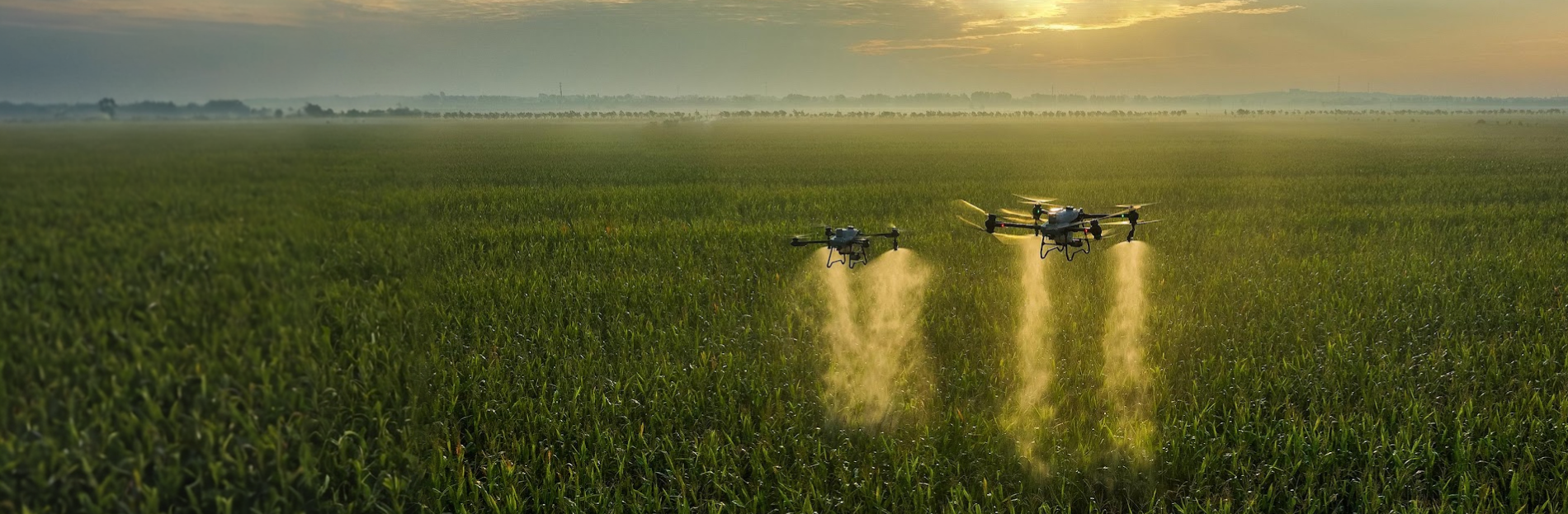
Flight devices have surfaced as a revolutionary tool in land management, providing a unparalleled process to crop management. These pilotless aircraft are installed with cutting-edge spray apparatuses that can correctly distribute pesticides to farms with decreased environmental influence. Compared to routine techniques, drone spraying delivers several positive aspects. First, it supports for specialized application of agents, minimizing the overall load used and controlling migration. Second, drones can service remote zones that are commonly blocked to ground-based apparatus. This amplifies coverage and capability. Finally, drone spraying mitigates labor costs and mobilizes farmworkers for other works. With the use of drones in agriculture, growers can optimize yields, reduce production costs, and foster sustainable farming methods.High-Performance Drone Farming Solutions
Up-to-date agribusiness is significantly applying revolutionary mechanisms to augment capability and agricultural gains. Among these, drones are emerging as a leading breakthrough, offering correct crop protection applications. Equipped with cutting-edge visual tools and monitors, drones can effectively survey extensive fields, identifying pests at their starting points. This real-time metrics allows tillers to execute targeted remedies only where required, minimizing the use of substances and alleviating greenhouse effects.
- What's more, drones can be used for other significant duties such as seed spraying, ensuring optimal crop growth and amplifying overall productivity.
- Consequently, the integration of drones in agriculture offers a sustainable future, boosting farming operations for a more productive food supply.
Augmenting Agricultural Yield with DJI Sprayer Drones
DJI fertilizer drones reshaping contemporary farming by enabling agriculturists with an effective tool for crop preservation. These robotic flyers can quickly cover spacious areas, correctly applying fertilizers and biocides to crops. This directed application limits the amount of substances used, preserving the environment and amplifying overall crop yield.
Aviation Seeding: Promoting Green Growth
Aerial seeding provides a pioneering approach to afforestation, offering a nature-friendly solution for regrowing degraded ecological regions. By scattering seeds from the air, this practice allows for rapid coverage of wide areas, overcoming barriers posed by standard techniques. Aerial seeding promotes the reintroduction of native botanical varieties, contributing to natural diversity.
Moreover, aerial seeding lowers labor costs, simplifying the reforestation system. This technology holds considerable potential for countering deforestation and encouraging a more long-lasting future.
Enhancing Farming with Drone Technology
Unmanned aerial vehicles are promptly changing drone services near me the landscape of agrarian practices. These aerial machines grant plantation owners plenitude of benefits, boosting efficiency and performance. Drones can track crops from above, discovering areas that need management. This timely detection permits farmers to manage issues in advance of they amplify, lowering crop damage and optimizing yields. Additionally, drones can dispense fertilizers and pesticides with correctness, curtailing the amount of compositions used and lowering environmental impact. This sustainable approach to farming is gaining in demand as farmers seek to optimize their operations simultaneously protecting the planet.Refining Crop Management via Drones
Modern agritech is upgrading the way crops are developed, and drones are playing a essential role in this development. Equipped with advanced sensors and cameras, these unmanned aerial vehicles provide farmers with invaluable insights about their fields, providing them to make calculated decisions. Drones can examine vast areas of land efficiently, discovering issues such as nutrient deficiencies, pest infestations, or irrigation problems. This real-time examination allows farmers to handle specific areas in need, enhancing resource deployment and improving crop yields.
Furthermore, drones can be used for a range of other tasks in precision agriculture, such as applying fertilizers or pesticides with greater accuracy and success. They can also be used for depositing crops, charting fields, and even watching livestock. The versatility of drones makes them an crucial tool for modern farmers who are seeking to increase productivity, reduce costs, and minimize their environmental burden.
Stretching Beyond the Horizon: Aerial Coverage for Maximum Impact
In present-day fast-paced world, capturing expansive coverage is essential for realizing success. Flying outlooks offer a exceptional and powerful way to demonstrate events, landscapes, or projects in a way that traditional ground-level coverage falls short of. From illuminating stunning aerial photography to providing critical insights through drone mapping, the possibilities are immeasurable. By employing aerial coverage, businesses and organizations can strengthen their impact, relaying stories in a way that is both captivating and revealing.
Advanced Drone Strategies for Pest Reduction
Cutting-edge agriculture is progressively deploying innovative approaches to enhance crop performance. Among these progressions, drone-based spraying has materialized as a game-changing approach for precise pest management. Drones equipped with specialized spray nozzles can accurately apply plant protectants directly to target areas, minimizing environmental impact. This targeted application restrains the overall volume of chemicals required, contributing to a more sustainable farming strategy. Furthermore, drones can efficiently cover large regions, saving time and resources compared to traditional spraying methods.
- Pros of drone-based spraying include:
- Enhanced precision in application,
- Cut chemical usage,
- Optimized crop health,
- Value
Transforming the Landscape of Cover Crop Establishment
The agricultural industry is registering a dramatic shift with the advent of drones in cover crop establishment. These unmanned aerial vehicles offer unprecedented precision and efficiency, transforming traditional methods. Drones can accurately sow seeds across large areas, ensuring uniform coverage and enhancing germination rates. This technology also allows for swift monitoring of cover crop growth, enabling farmers to recognize potential issues early on and conduct timely interventions. Furthermore, drones can reduce labor costs and biological impact by avoiding the need for manual seeding and chemical applications.
The implementation of drones in cover crop establishment affords a sustainable solution for enhancing agricultural practices. By leveraging the power of drone technology, farmers can augment crop yields, improve soil health, and support to a more climate-resilient food system.
Maximizing Output through Aerial Seeding and Spraying
Airborne sowing and application have materialized as pivotal instruments in precision agriculture, enabling farmers to enhance crop yields and resource management. By harnessing specialized aircraft equipped with refined technology, these practices facilitate the precise application of seeds and fertilizers directly to fields. This targeted approach limits waste and strengthens crop health by distributing essential inputs exactly where they are needed.
- Moreover, aerial seeding allows for the planting of crops in areas that are remote locations using traditional methods, expanding farming possibilities and supporting agricultural production.
- Together, aerial spraying provides a speedy means of applying pest control agents to combat particular infestations, minimizing the risk of spread and maintaining crop health.
Therefore, aerial seeding and spraying embody the strength of precision agriculture in advancing farming practices. By leveraging refined technologies, these methods promote resource-saving food production, ensuring a flourishing agricultural sector for the future.