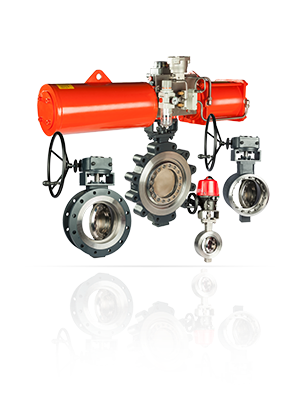
system integrated wafer style pneumatic butterfly valve?
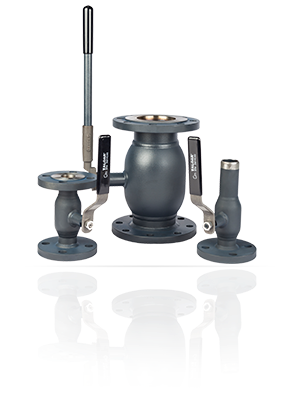
State-of-the-art commercial methods commonly necessitate specific and dependable administration over fluid displacement. Consequently, powered regulator operation constructions have surfaced as basic constituents for reaching best capacity in countless uses. Those installations utilize the energy of current-powered machines to effectively expand, close, and regulate opening states based on programmed standards or outside indications. Numerous kinds of electrically operated stopper mobilization frameworks present, each tailored for defined execution situations and necessities.
- Numerous elements shape the preference of a fitting automatic aperture system, including the model of regulator, flow rate, torque extent, climatic attributes, and stipulated extent of exactness
- Force-operated devices generally equip the essential energy for mobilizing openings.
- Advanced control systems and sensors support dynamic supervision of regulator arrangements, upholding ideal organization efficiency and stability.
Pneumatic Valve Control in Industrial Automation
Amid the sphere of industrial automation, pneumatic valve control plays a vital function. Those valves, activated through air compression, govern the passage of diverse components involving air water and granules. Their precise functionality is paramount to upholding stable operational processes. Involving production lines workshops plants and packaging segments, pneumatic valve control systems maximize performance.
- Numerous factors shape the decision and realization of pressurized air valve management in engineering environments.
- The include the profile of the substances being operated on, force limits, and the overall challenges of the mechanism.
Consequently, practitioners must scrupulously evaluate these conditions to design structures that are resilient and suitable for the unique requests of each purpose.
Pressure Control Valve Manufacturing and Evaluation Guidelines
Such formulation and performance of pressure control devices are pivotal to preventing dangerous events in many plant operations. Such assemblies release additional stress immediately when set limit levels are reached. To verify trustworthy activity and risk mitigation, emergency valve formulation and function are controlled by stringent protocols established by bodies such as ASME. Such regulations indicate benchmarks for ingredients, layout, evaluation, and performance. Abiding to these benchmarks is critical for achieving the defense of employees, instruments, and the environment.Determining the Right Class of Electronically Operated Valve
Concerning determining a electromagnetic valve, there are plenty of criteria to contemplate in order to confirm optimal efficiency and stability. At first, you need to decide the duty for the unit. Various types of fixtures are developed for definable uses, such as aqueous control, atmospheric regulation, or displacement.
Following that, consider the performance force and degree features of your installation. The apparatus must be suitable for enduring these environments without failing to perform. Besides, think about the amount you need to regulate. Assemblies come in multiple sizes and measurements, so it's significant to opt for one that can support your dedicated demands.
As well, consider the kind of triggering needed. Solenoid valves can be controlled by AC and DC electric supply, and some have manual override abilities. Finally, don't forget about building blocks used in the component building. Decide on a substance that is appropriate with the substance you are controlling.
An Assessment of Automated, Gas-driven, and Electrovalve Units
Regarding manufacturing automation, valves play a vital capacity in handling the passage of materials. Electrically driven regulators utilize electric actuators for movement, providing precise guidance. Gas pressure devices utilize gas compression to perform, known for their minimal complexity. Electrovalve units, on the other hand, utilize electromagnetic energy for functioning, ensuring a immediate reaction rate.
- Picking the proper device category depends on circumstances such as flux, strength spread, and usage.
A extensive comparative analysis of the aforementioned valve kinds can facilitate technicians make rational selections for optimal system operation.
Correcting Common Concerns with Fail-safe Valves
Safety relief valves are important sections in various industrial and commercial deployments. They confer a vital protection function by easing pressure accumulation and preventing hazardous conditions. Yet, like any mechanical component, safety valves can sometimes break down or experience malfunctions. Included are some common difficulties associated with safety valves and how to address them:* Stuck Valve: When a safety valve is stuck open or shut, it can interfere with standard pressure governance. This may be caused by oxidation in the valve mechanism or shaft. To remedy this defect, survey and clear the valve frequently, securing all moving parts are oiled properly.* Constant Drippings: If a safety valve shows abnormal dripping when it's supposed to be secured, it could indicate a faulty seal or a problem with the valve spring. Changing out of the barrier and/or the spring may be required.* Misaligned Setting: A safety valve must be set to the correct pressure mark. If it's set too high, it may not activate when needed, while a setting that's too low can lead to frequent activations. Verify the valve is tuned correctly according to sector rules and your exact application.* Pilot Valve Malfunction: Some safety valves utilize a pilot valve to control the main valve. If the pilot valve fails, it can stop the main valve from operating correctly. Survey the pilot valve for complications and repair it if mandatory.
Embedding Compressed Air Valves into Fluid Transport Systems
Compressed air valves play a essential role in pipeline structures by handling the flow of fluids and gases. They make available a stable way for changing loading pressure, route, and capacity within complex industrial processes. When installing compressed air valves into manufacturing pipes, several considerations must be rigorously evaluated to secure top-notch operation and robustness. An essential detail is the choosing of the suitable valve model based on the unambiguous application requirements. Various classes of force valves, such as needle valves, each constitute unique attributes and performances. Also, pneumatic one way valve careful review must be paid to the mechanism's compression margins, liquid volume, and heat controls. Conformity with the current pipe frameworks and medium features is also critical to thwart wear or other unfavorable aftermaths. To confirm proper {val