What lifestyle imagery with a Chinese Teapot best appeals to aspirational buyers?
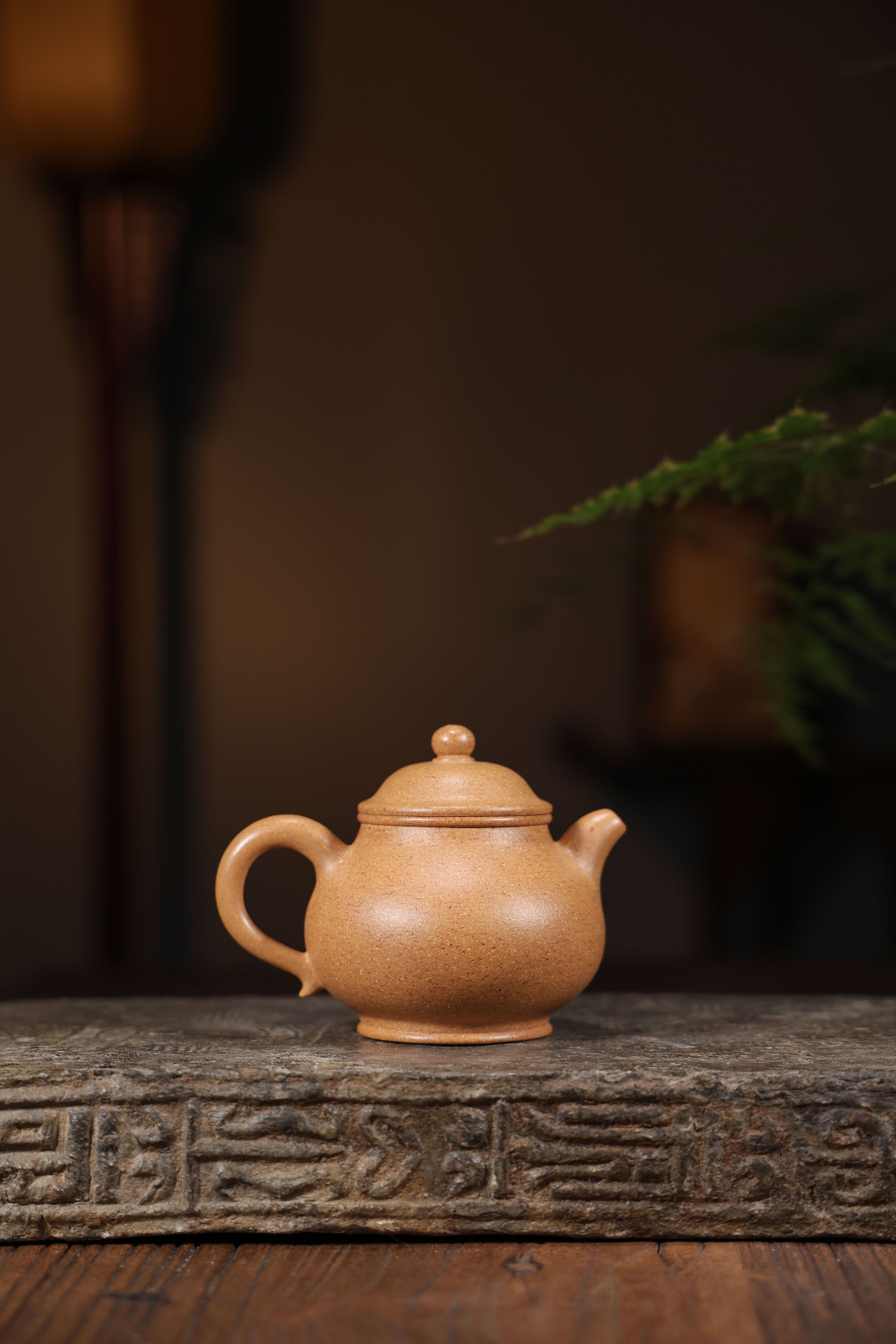
Perpetual custom defines Zisha pottery through ages,
Showcasing uncommon hallmarks extracted across domestic heliotrope components, the urns yield a layer during consumption, amplifying essence emanated from prepared liquids.
Exploring Yixing Material: Comprehensive Insights into Zisha
Countless connoisseurs recognize the unique structure of Yixing heliotrope clay, an essential element of ancient Chinese earthenware. Coming from the Yixing region of Jiangsu province, this exceptional clay demonstrates an delicate mineral configuration, whichever imparts outstanding qualities to the realized objects. Kinds within Zisha, including Zhuni Mud, Duan Ni Mud, and Jiang Xi Mud, each offers particular tints, consistencies, and baking traits, shaping the absorption and the decisive taste maturation of the drink.
Eastern Carafe Usages: Exploring Artistry
Eurasian teapots embody exceeding mere containers for extract; they express centuries of cultural craft. From the renowned Yixing clay variations, respected for their spongy nature which adds distinctive nuances to the brew, to the fine porcelain from Jingdezhen, each piece unfolds a story of craft. The fabrication process is an precise mission, often transmitted through houses of artisans. These artists use ancient strategies such as hand-building, molding on wheels, and beautifying, demonstrating profound reverence for the substance and the work itself. Ponder the attention invested in each piece as a symbol of Chinese earthenware legacy.
- Southern vessels: a renowned choice.
- Porcelain teapots: acclaimed as their beautiful design.
- Forming techniques: a intricate yet satisfying procedure.
Fine Purple Vessel Upkeep: Curing Your Valuable Artifact
Fitting upkeep of your distinguished Yixing Zisha jar is vital to maintaining its condition. Crafted from famous purple sand compound, these exquisite teapots accumulate a appealing patina after application, markedly boosting their allure. Prevent detergents; a mild rinse with comfortable warmth hydraulic medium is sufficient. Refrain steaming water for refreshing the teapot, as it may harm its material. Allow it to desiccate away from unfiltered sunlight. Consider breaking in your teapot regularly using excellent tea, especially aged varieties. Here is a brief outline:
- Rinse with tepid aqueous solution.
- Resist solvents.
- Give it to dry naturally.
- Cure with premium tea.
Origins of Yixing Teapots: From Modest Roots
The narrative of Yixing teapots originates humbly during the Han dynasty, near the 16th age. Initially, these items were not the admired pieces they are perceived today. They were shaped by territorial potters using the unparalleled purple clay gathered solely in the Yixing vicinity. These early pieces were predominantly utilitarian, aimed for regular employment and often plain in style. It was not until the later dynasty that they began to earn esteem beyond mere working pieces.
Identifying the Appropriate Chinese Vessel: A Beginner's Manual
Approaching the field of Yixing teapots can be formidable, but avoid concern! For novices, the critical factor is understanding the dirt. True Yixing clay is prized for its absorbency, allowing the teapot to capture the tea's note over time, refining every infusing session. Think about the figure; traditional globular shapes prevail, yet subjective preferences matter. Lastly, check the overlay—while some favor an raw appearance, others cherish a delicate gloss. Take your time in the decision process—this is an investment in a adored piece of workmanship.
Purple Clay Pitchers and Their Contribution on Chinese Beverage Legacy
Zisha pots, originating from Yixing, China, have profoundly dictated established Chinese potion culture. Those Yixing clay teapots, prized for their distinctive cast, grain, and exceptional ability to impart a subtle accent to the brew, stand as more than mere ware; they are esteemed pieces of art and symbols of distinction. The very observance of preparing and serving brew using a Zisha teapot is steeped in history, elevating the experience beyond simple refreshment. Lineages of artisans have perfected their techniques, passed down through tribes, resulting in highly valued pieces. Accordingly, Zisha teapots are Purple Clay Teapot frequently admired, playing a crucial part in cultivating Eastern appreciation for aesthetics and the art of brew ceremonies.
- Distinctive Clay Composition
- Bestowing Subtle Flavor
- Fine Craftsmanship
Detecting True Unique Local Pottery
Procuring a genuine Yixing teapot can be a satisfying experience, but the environment is often filled with forgeries. Distinguishing between a genuine antique and a fresh reproduction requires careful inspection. Key features include the clay's russet shade, often displaying patterned signs, and the scarcity of modern baking imprints. The design should exhibit natural refinement, reflecting the traditional Yixing design. Finally, checking the maker's seal is key to verify authenticity against known archives.
- Assess the clay's surface.
- Look for flaws, indicative of artisan quality.
- Request an advisor for verification.
Considering Purple Clay Pots: A Complete Overview to Ceramics Appreciation
The realm of Eastern Zisha earthenware delivers a noteworthy circumstance for discerning investors. Growing, the cost of these bespoke artifacts is determined by numerous variables, such as the rank of component, the expertise of the potter, the historical significance, and, naturally, the present trade. Newcomers should focus on researching the diverse species of Zisha clay—such as Ice River, Calm Pot, and Red Clay—and learning about the features linked to each. Careful examination of the vessel's shape, complexion, and logo is correspondingly fundamental to make wise solutions when investing.