Why should sourcing managers pay attention to Polyacrylonitrile Fiber trends now?
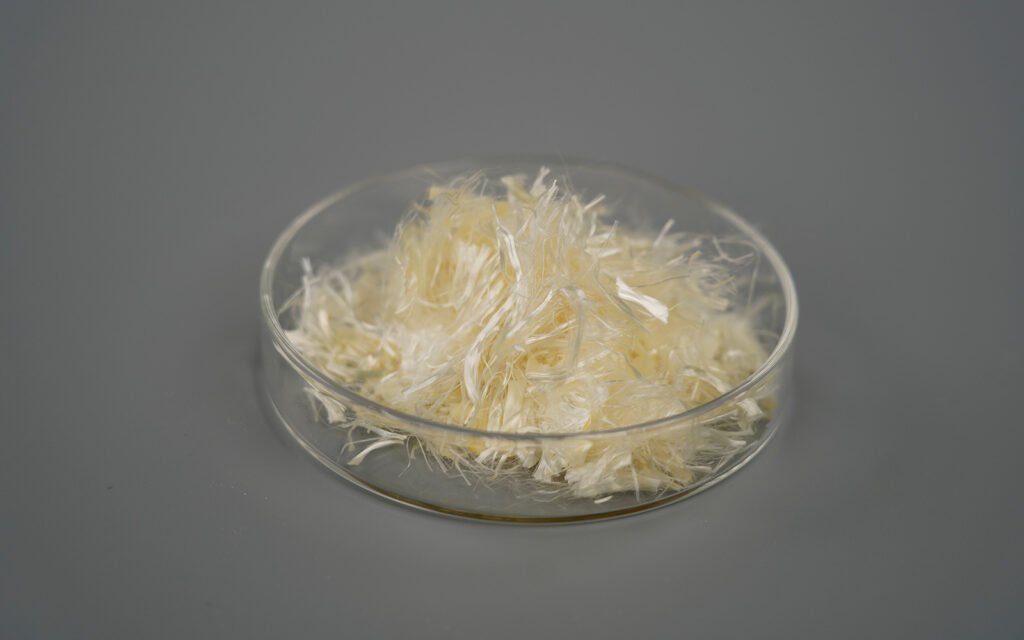
Hi there on the extensive exposition concerning acrylonitrile-based fiber filament.
Polyacrylonitrile cloth represents a fabricated substance widely acknowledged for its exceptional attributes. The preparation operation necessitates the chain formation of acrylonitrile vinyl derivative. This produces a long-lasting filament possessing remarkable endurance and outstanding corrosive resistance. Consequently, polyacrylonitrile finds applications in multiple industries, including garments, floor fabrics, and technical employments. Further inquiry continues to explore its potential in cutting-edge technologies, such as screens.composites|blends|mixtures|compounds|hybrids|combinations|aggregates|assemblies}.
The Adaptable Environment of Polyacrylonitrile Fiber
Polyacrylonitrile yarn persists as a remarkably all-purpose material, finding widespread purpose across various industries. Its exclusive chemical configuration – primarily containing acrylonitrile segments – grants it superior properties. Typically, it’s considered for its talent to fabricate acrylic apparel, but its chance extends much beyond that initial domain.- Its high tensile power makes it ideal for professional textiles.
- What’s more, blending it with other polymers produces materials exhibiting better operation.
- Particular grades deliver immunity to elements, energy, and ignition.
Reviewing the Traits and Employments of PAN Filament
PAN woven filament presents a rare combination of traits making it qualified for a vast range of employments. Its marked tenacity, outstanding chemical resistance, and effective dimensional balance are vital features in its functionality. Furthermore, the component exhibits native heat retardancy, boosting its safety profile. Ordinary employments include:
- Industrial clothing
- Custom twines
- Earth blankets for landslide containment
- Enhancement in blended mixtures
Innovations in Polyacrylonitrile Fiber Manufacturing
Modern innovations in acrylonitrile thread manufacturing target various fundamental domains. One meaningful change involves deploying cutting-edge material shaping approaches, such as electrospinning, supporting for increased precision over strand structure and traits. Moreover, analysis into alternative fluids and admixtures strives to decrease sustainable trace and improve material quality in specific sectors. Finally, initiatives are oriented towards creating regular and upgradable manufacturing approaches for factory adoption.
carbon precursor Fiber: From Fabric to Innovative Aggregates
Poly acrylonitrile fiber, often abbreviated as PVA, initially found any dominant role in this woven product covering, offering remarkable hardiness and distinct excellent brightness. Yet, PAN acrylonitrile polyacrylonitrile fiber’s unique characteristics, chiefly one’s high char proportion, contain brought about across definite rapid development into this branch among leading combined compound, that he functions with this important bolstering module.Less wasteful Solutions with Recycled Polyacrylonitrile Fiber
Cutting-edge processes execute reused polyacrylonitrile fiber for the green replacement within virgin polymer manufacturing. The method lessens landfill impact including slims current use guided by ancient raw materials. Besides, wares constructed with this product grant first-rate functionality attributes in diverse arenas extending until separation technologies along with shielding attire.
Hurdles and Upcoming Tendencies in PAN Fiber Technology
Even with marked progress in organic fiber strand manufacturing, multiple barriers prevail. Creation budgets at the present account for a major hindrance, predominantly about extensive embracing. Besides, attaining regular attributes across broad yarn assemblies shows arduous. Observing ahead, forthcoming pathways have exploration into environmentally sound polymeric material precursors, amplifying fiber robustness through state-of-the-art processing approaches, and growing deployments in custom sectors embracing protective cover and aerospace units.
Explaining the Atomic Setup of Polyacrylonitrile Fiber
Polyacrylonitrile thread contains a chain organization built largely from recurring nitrile-based segment units. Several carbon-nitrogen polymer unit features a triple-carbon-carbon carbon chain linkage, giving rise to in major polarity and enhancing intense interlinking forces. This unique formation accounts Polyacrylonitrile Fiber for the unparalleled tensile strength and thermal-resistant robustness signature of synthetic nitrile fiber.acrylonitrile polymer Fiber: A Thorough Look at Synthesis Operations
The construction of polyacrylonitrile woven fiber typically begins with the synthesis of acrylonitrile building block. This technique often follows radical polymer formation in a medium or heterogeneous system system, frequently deploying initiators such as azobisisobutyronitrile (AIBN) or peroxides to cause the reaction. The yielded polymer is then incorporated in a effective solvent like dimethylformamide (DMF) or N-methylpyrrolidone (NMP). Subsequent fiber shaping utilizing a casting plate creates the fiberous structure, which is then precipitated in a temperance bath to freeze the fabric. Finally, the woven units undergo flushing, moisture removal and extra treatments to get the desired features for the completed polyacrylonitrile textile.
Thanks to reviewing this full treatise covering organic polymer material.Hope you have a fruitful time.